Discover early metabolic syndrome symptoms, warning signs, and how to identify risks before they lead to serious conditions like diabetes or heart disease.
Metabolic Syndrome Symptoms: Early Signs You Should Not Ignore
Metabolic syndrome is not a single disease — it is a cluster of conditions that occur together and significantly increase the risk of heart disease, type 2 diabetes, and stroke. The problem is that many people do not recognize metabolic syndrome symptoms until the condition has already progressed. Early signs are often subtle, easy to ignore, and sometimes completely silent.
Understanding these warning signals early can help you take action before serious complications develop. This is where awareness becomes powerful — because metabolic syndrome is largely preventable and manageable if detected on time.
What Exactly Is Metabolic Syndrome?
Metabolic syndrome refers to a group of risk factors that occur together, including high blood sugar, increased abdominal fat, abnormal cholesterol levels, and high blood pressure. When these conditions combine, they create a higher risk for chronic diseases.
It is often driven by underlying issues like insulin resistance and excess visceral fat, making it closely connected to modern obesity and metabolic health problems described in Adiposity-Based Chronic Disease (ABCD).
The Early Signals Most People Ignore
Unlike many diseases, metabolic syndrome does not always produce obvious symptoms at first. However, your body still gives signals if you know what to look for.
1. Increasing Waist Size
One of the earliest and most visible signs is abdominal fat gain. A growing waistline is not just about appearance — it is a key indicator of metabolic risk and visceral fat accumulation. Learn why this matters in BMI vs Waist-to-Height Ratio.
2. Constant Tiredness
If you feel low on energy throughout the day, even after proper rest, it may be due to unstable blood sugar levels and poor metabolic function.
3. Frequent Sugar Cravings
Strong cravings for sweets and refined carbohydrates are often linked to insulin resistance, a core driver of metabolic syndrome. Read more about the early symptoms of insulin resistance.
4. Brain Fog and Low Focus
Difficulty concentrating, forgetfulness, or mental fatigue can be early signs of poor glucose regulation in the body.
5. Elevated Blood Pressure
High blood pressure often develops quietly but is a major component of metabolic syndrome.
6. Abnormal Cholesterol Levels
You may not feel this directly, but low HDL (good cholesterol) and high triglycerides are important warning signs detected through blood tests.
Why These Symptoms Are Often Missed
Most early signs of metabolic syndrome are either mild or easily attributed to lifestyle factors like stress or lack of sleep. Because of this, many people ignore them until they become more serious.
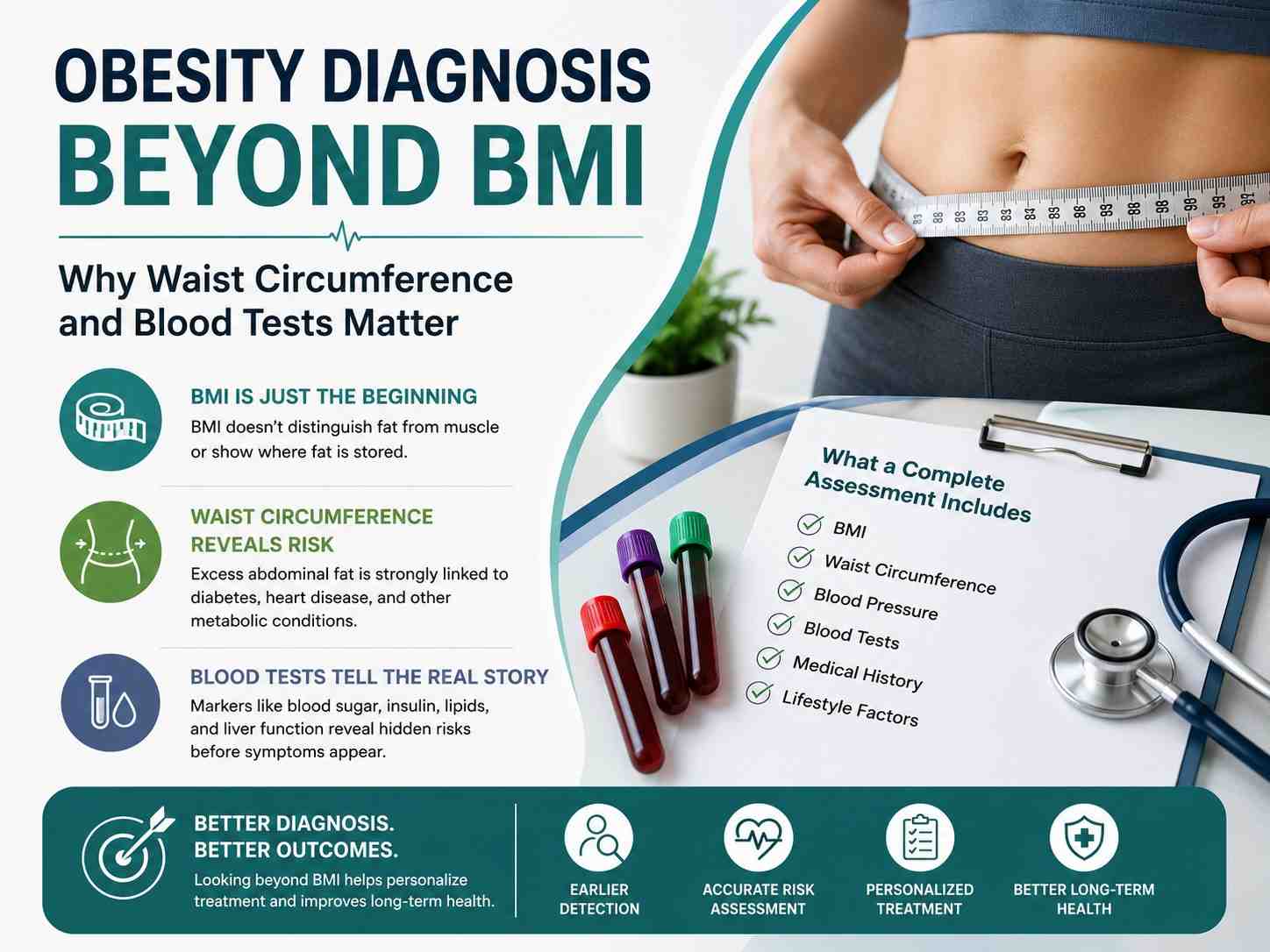
Another reason is that some key indicators, such as blood sugar and cholesterol levels, cannot be felt and require testing. This is one reason why modern obesity diagnosis now goes beyond BMI.
The Link with Insulin Resistance
Insulin resistance plays a central role in metabolic syndrome. When your body becomes less responsive to insulin, it leads to higher insulin levels, increased fat storage, and disrupted metabolism.
This creates a cycle where weight gain, especially around the abdomen, further worsens insulin resistance and increases metabolic risk.
If diagnosed early, insulin resistance treatment can significantly reduce the risk of developing metabolic syndrome.
When Symptoms Turn into Serious Risks
If metabolic syndrome is not addressed early, it can lead to more serious health conditions, including:
- Type 2 diabetes
- Heart disease
- Stroke
- Fatty liver disease
This progression is gradual, which is why early detection is critical.
How Metabolic Syndrome Is Identified
Doctors typically diagnose metabolic syndrome based on a combination of factors rather than a single test. These include:
- Waist circumference
- Fasting blood glucose levels
- Blood pressure readings
- Triglyceride levels
- HDL cholesterol levels
If multiple factors are present, the risk of metabolic syndrome increases significantly. This comprehensive assessment is a key principle of AACE obesity guidelines.
What You Can Do Early
The good part is that metabolic syndrome can often be reversed or controlled with the right steps. Early action can make a major difference.
Some practical changes include:
- Improving diet quality by reducing processed foods
- Increasing daily physical activity
- Managing stress and sleep patterns
- Monitoring key health markers regularly
These steps help improve insulin sensitivity and overall metabolic health.
A Broader Shift in Understanding Health
Modern medical approaches are moving toward identifying metabolic risk earlier rather than waiting for disease to develop. This is why awareness of metabolic syndrome symptoms is becoming more important.
Instead of focusing only on weight, the focus is now on how the body functions internally — including fat distribution, insulin response, and metabolic balance. This philosophy is central to ABCD vs Traditional Obesity and the comparison of AACE vs ABCD.
Related Articles
- What is Adiposity-Based Chronic Disease?
- Insulin Resistance Symptoms
- Insulin Resistance Treatment
- Why BMI Is Not Enough
- BMI vs Waist-to-Height Ratio
- Obesity Diagnosis Beyond BMI
- AACE Obesity Guidelines Explained
- AACE vs ABCD
Final Thoughts
Recognizing metabolic syndrome symptoms early can prevent long-term health complications. While the signs may seem mild or easy to ignore, they often indicate deeper metabolic issues.
The key is not to wait for obvious illness. Paying attention to early warning signs and taking action can significantly improve your health outcomes.
Small changes today can prevent major health problems tomorrow.