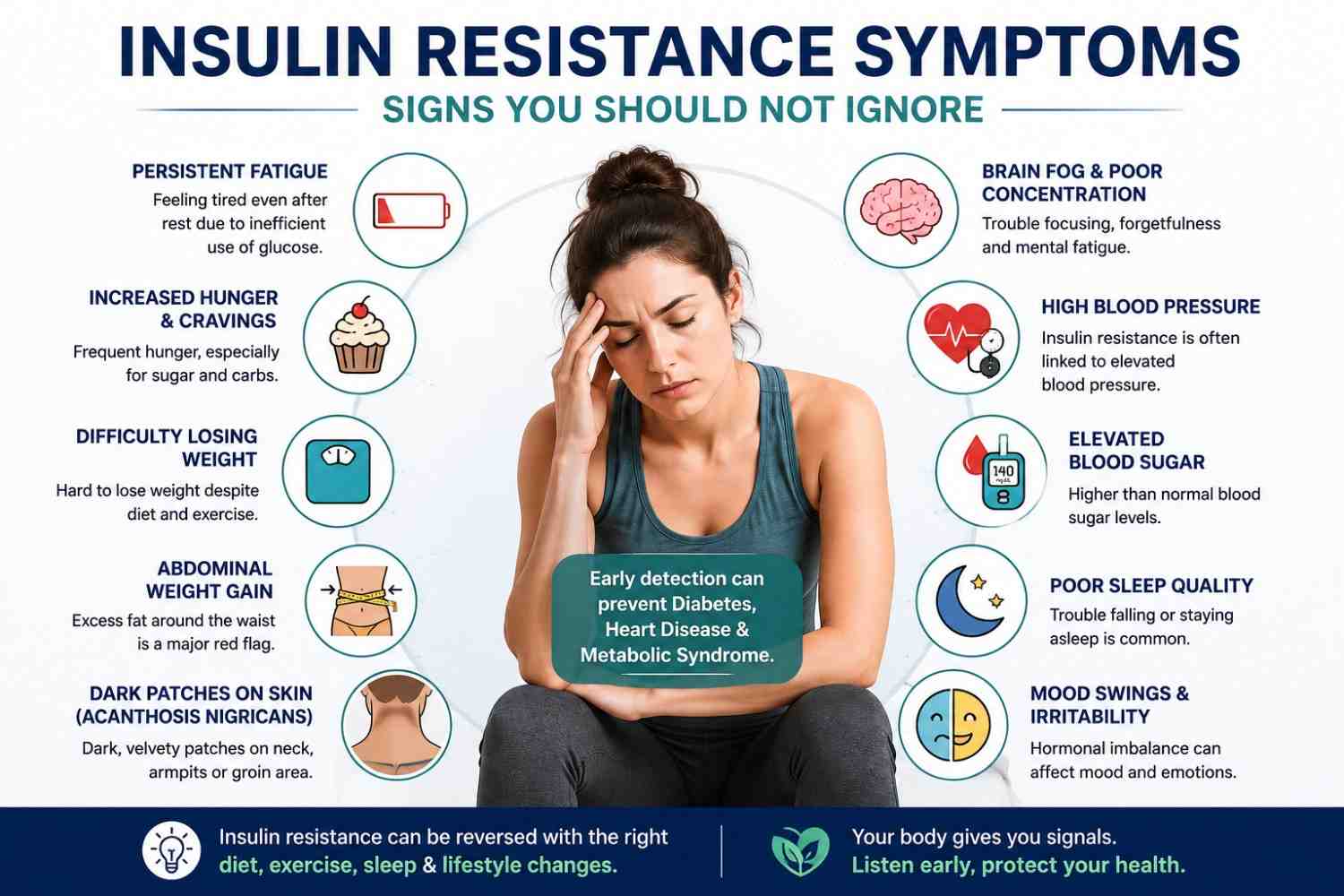
Learn the early insulin resistance symptoms, warning signs, and how to identify this condition before it leads to diabetes or metabolic complications.
Insulin Resistance Symptoms: Signs You Should Not Ignore
Insulin resistance is one of the most common yet overlooked metabolic conditions today. Many people live with it for years without realizing the impact it has on their health. Understanding insulin resistance symptoms early can help prevent serious complications like type 2 diabetes, heart disease, and metabolic syndrome.
The challenge is that insulin resistance does not always show obvious signs in the early stages. However, your body does give subtle warnings. Recognizing these symptoms can help you take action before the condition worsens. Since insulin resistance is closely linked to Adiposity-Based Chronic Disease (ABCD), early diagnosis is essential for protecting long-term metabolic health.
What is Insulin Resistance?
Insulin resistance occurs when your body's cells stop responding effectively to insulin, a hormone responsible for regulating blood sugar levels. As a result, your pancreas produces more insulin to compensate, leading to elevated insulin levels in the blood.
Over time, this imbalance can disrupt your metabolism and increase the risk of chronic health conditions. It is considered one of the major drivers of Adiposity-Based Chronic Disease (ABCD).
Common Insulin Resistance Symptoms
1. Persistent Fatigue
Feeling tired even after adequate rest is a common sign. When your body cannot efficiently use glucose for energy, it leads to low energy levels and constant fatigue.
2. Increased Hunger and Cravings
Insulin resistance often causes frequent hunger, especially cravings for sugary or high-carbohydrate foods. This happens because your body struggles to regulate blood sugar properly.
3. Difficulty Losing Weight
If you are exercising and eating well but still unable to lose weight, insulin resistance could be the reason. High insulin levels promote fat storage, particularly around the abdomen. This is one reason why obesity is now considered a metabolic disease rather than simply excess body weight.
4. Abdominal Weight Gain
Excess fat around the waist, also known as central obesity, is strongly linked to insulin resistance. This type of fat is more dangerous because it surrounds vital organs and increases metabolic risk.
5. Dark Patches on Skin (Acanthosis Nigricans)
Dark, velvety patches on the neck, armpits, or groin are a visible sign of insulin resistance. This condition is known as acanthosis nigricans.
6. Brain Fog and Difficulty Concentrating
Many individuals experience difficulty focusing, memory issues, or mental fatigue due to unstable blood sugar levels.
7. High Blood Pressure
Insulin resistance is often associated with elevated blood pressure, increasing the risk of cardiovascular disease.
8. Elevated Blood Sugar Levels
Although not always noticeable without testing, consistently high blood sugar levels are a key indicator of insulin resistance.
Why These Symptoms Matter
Ignoring insulin resistance symptoms can lead to serious complications. Over time, the condition may progress to type 2 diabetes, fatty liver disease, cardiovascular disease, and other complications associated with ABCD.
Early detection allows you to make lifestyle changes that can reverse or manage the condition effectively before permanent damage develops.
Who is at Risk?
Certain factors increase the likelihood of developing insulin resistance:
- Overweight or obesity
- Sedentary lifestyle
- Family history of diabetes
- Poor dietary habits
- Hormonal imbalances
- Excess abdominal fat
Many of these risk factors are also involved in the development of Adiposity-Based Chronic Disease.
How is Insulin Resistance Diagnosed?
There is no single test for insulin resistance, but doctors may use a combination of blood tests, including fasting glucose, fasting insulin levels, HbA1c, and other metabolic markers.
Diagnosis today goes beyond BMI. Healthcare professionals increasingly evaluate body fat distribution and metabolic function because BMI alone is not enough to accurately assess metabolic health.
Can Insulin Resistance Be Reversed?
Yes. In many people, insulin resistance can be improved or even reversed through sustainable lifestyle changes and appropriate medical care.
- Regular physical activity
- Balanced, low-glycemic nutrition
- Weight management
- Stress reduction
- Quality sleep
- Medical guidance when necessary
For patients with significant metabolic dysfunction, doctors may also recommend advanced therapies such as GLP-1 treatment for ABCD as part of a personalized treatment plan.
Related Articles
- What is Adiposity-Based Chronic Disease?
- Causes, Symptoms, and Risk Factors of ABCD
- Obesity is Not Just Weight
- Why BMI Is Not Enough
- GLP-1 Treatment for ABCD
Final Thoughts
Recognizing insulin resistance symptoms early is crucial for preventing long-term metabolic complications. While the symptoms may appear mild initially, they often signal underlying metabolic dysfunction that deserves medical attention.
Taking action early through proper nutrition, regular exercise, and timely medical evaluation can significantly reduce the risk of developing diabetes and other chronic diseases.
If you notice multiple symptoms or have risk factors for insulin resistance, consult a healthcare professional for a comprehensive metabolic assessment and personalized treatment plan.